1927
Master Hsing Yun is born
Born in Yangzhou, China. He would become a major figure in the development of modern Buddhism, particularly the Humanistic Buddhism movement.
Buddha’s Light International Association
An international Buddhist lay organisation under Fo Guang Shan, founded by Venerable Master Hsing Yun to bring Humanistic Buddhism into everyday life.
The Journey
From the birth of a teacher in Yangzhou to a network spanning five continents.
Born in Yangzhou, China. He would become a major figure in the development of modern Buddhism, particularly the Humanistic Buddhism movement.
Amid the upheaval of the political situation in mainland China, he moved to Taiwan to continue his Dharma work and service.
On 16 May 1967 in Kaohsiung, Taiwan. Its main campus covers roughly 100 hectares and has grown into a centre for Buddhist education, a museum, a university, a monastery, and a place of pilgrimage for Buddhists from many countries.
On 3 February 1991, Zhong Hua Fo Guang Xie Hui was formed in Taipei as the lay organisation of Fo Guang Shan.
On 16 May 1992, Buddha’s Light International Association was formally founded as an international organisation, headquartered at Hsi Lai Temple in Los Angeles, California, USA.
Venerable Shi Zong Ru came to Medan and began guiding the local community and spreading Humanistic Buddhism, then established BLIA North Sumatra under the guidance of Master Hsing Yun.
BLIA is now present in more than 180 countries with over 200 chapters. In North Sumatra, BLIA serves Medan, Berastagi, and Lubuk Pakam.
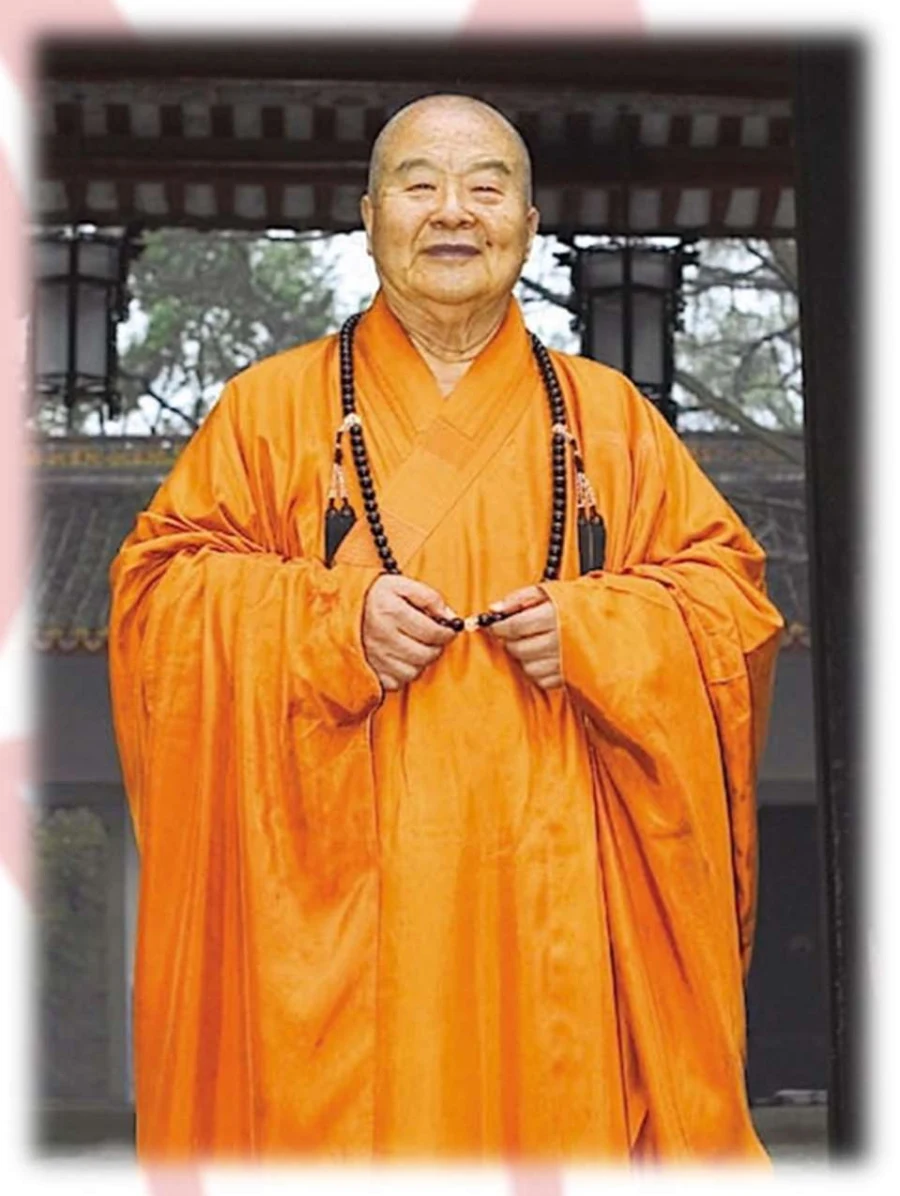
The Founder
A figure who placed education at the heart of spreading the Dharma, Master Hsing Yun held that Buddhism should not be practised only in the temple, but carried through education, culture, and community service so that the teachings can be applied in daily life.
To realise this vision, he established numerous educational institutions and five Buddhist colleges under the Fo Guang Shan education system. Through it, he has educated some 1,500 members of the Sangha, who went on to spread Buddhism to countries around the world.
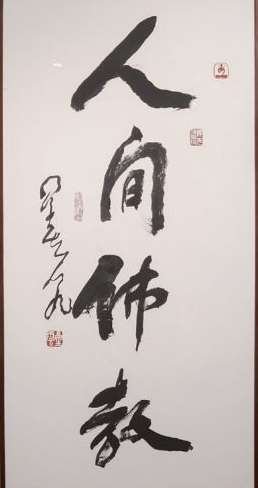
人間佛教
Making Buddhism present in human life — not only in the mountains or the temple, but in the midst of society.
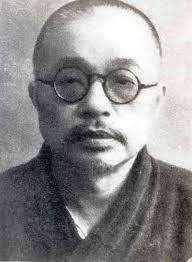
The idea of Humanistic Buddhism promoted by Master Tai Xu was later realised and developed in practice by Master Hsing Yun through Fo Guang Shan, becoming a modern Buddhist movement that has grown worldwide.
Practice must rest on the Dharma as taught by the Buddha — not on superstition or beliefs inconsistent with it. Its foundation is wisdom, cause and effect (karma), and the path to enlightenment.
The Buddha’s teachings must answer real human needs: happiness, peace of mind, ethics, family relationships, work, and social life.
Buddhism emphasises good deeds, compassion, virtue, and moral beauty in human life, so that the world becomes more peaceful and harmonious.
The ultimate aim of Humanistic Buddhism is to purify the human heart — reducing greed, hatred, and delusion — so that people become wiser, more compassionate, and live more meaningfully.
Identity
Tap a point on the logo to read what it means.

The circle represents harmony and accord.
Direction
To wholeheartedly accept and practise the Buddha’s teachings, to revere and honour the Triple Gem, to spread the Buddha Dharma for the benefit of all living beings, and to awaken the wider community towards the path of enlightenment.
To pioneer the Buddha Dharma in daily life, to build the Buddha’s Light Pure Land, and to realise universal loving-kindness and compassion in aid of all beings in this world.
To uphold the Buddhist precepts, to harmonise the five aims of Buddhism, and to practise morality, right concentration, and wisdom in order to perfect one’s character.
To develop an international character, to engage in education and culture, to broaden horizons, and to emphasise togetherness across every level of society.
In North Sumatra
Founded in 1992 and now present in three cities, with community guidance, Dharma classes, social service, blood drives, BLIA YAD youth activities, Vesak celebrations, Buddhist education, and cultural programmes.